Featured

An Explanation of Services & Rates

Many of my colleagues choose to offer their services in an “Initial Appointment” and “Follow-Up Appointment” model, which is time-tested and works well. However, given the sensitivity of some of my areas of specialty (including Comprehensive Pelvic Care and Trauma Care) I’ve found that offering time-based sessions provides more flexibility to achieve health goals in a sustainable manner.

I wrote this blog post to provide deeper insight into my current service structure as well as how to select the best session length and type for your health and wellness needs.

A note before we get started: folks are welcome to book any session length they choose. If a session length is determined to be “too long” for the intervention needed, we can adjust the timing to reduce the risk of over treating. If a session length is determined to be “too short” for the intervention needed, the patient will be guided to select the most pressing issue as the primary area of focus for that session and be advised to schedule additional sessions to address other concerns.

In-Person Sessions in Oakland and San Francisco

  • 90-minutes (As of November 2025 – $180) – This session length provides the space and time needed for folks seeking support with chronic multi-system conditions, complex pelvic concerns and/or trauma including PTSD and/or C-PTSD. Patients looking for extended table time to relax and restore are also welcome to book this session length.
  • 75-minute (As of November 2025 – $150) – This session length is for folks who are brand-new to my practice or for folks who have not had a session with me in over 6 months. This gives us time to get (re)acquainted, perform necessary assessments, and provide hands-on treatment. Patients looking for a little extra table time to relax and restore are welcome to book this session length.
  • 60-minute (As of November 2025 – $120) – This session length is folks who are established with my practice and are coming in for periodic treatment. It provides an opportunity for check-in and updates as well as in-depth hands-on treatment.
  • 45-minute (As of November 2025 – $90) – This session length is for folks who have one area of focus. It includes a brief intake and targeted hands-on treatment.
  • 25-Minute Cupping Only (As of November 2025 – $55) – This session does not include acupuncture needles and is instead focused on cupping, gua sha, and light bodywork. These sessions are great for folks new to East Asian Medicine, those who are needle-phobic, post-injury, pre- or post-surgery, or just self-care.
  • 50-Minute Sliding Scale Saturday (As of November 2025 – $50-75) – This is a once-a-month community accessible offering of a 50-minute, one-on-one session that may include acupuncture, acupressure, cupping, gua sha, bodywork, and other modalities (as needed).

Telehealth

  • 25-Minute Telehealth (As of November 2025 – $55) – This session is for folks who are sick with a contagious condition such as COVID-19, Flu, RSV, etc. It is focused on herbal care as well as nutrition and lifestyle recommendations to support recovery. Patients may also book this session for brief lab, nutrition and/or lifestyle review with recommendations.
  • 45-Minute Telehealth (As of November 2025 – $95) – This session is for folks who are seeking in-depth nutrition, lifestyle, and movement support. This may include comprehensive lab ordering/review and recommendations, nutrition and lifestyle coaching through the East Asian Medicine lens, mindfulness, somatic work, and more.

Continue reading “An Explanation of Services & Rates”

Staying Healthy This Holiday Season: How Acupuncture, Chinese Medicine, and Nutrition Support Wellness & Longevity

The holiday season is a beautiful time of connection, celebration, and reflection. But it can also be a period of stress, disrupted routines, sugar-heavy gatherings, and less-than-ideal sleep. For many people, this season can place extra strain on hormones, digestion, immunity, and energy reserves.

As an Integrative Medicine provider with a focus on East Asian Medicine techniques including Acupuncture and Chinese Herbal Medicine, I help patients restore balance, increase vitality, and support longevity all year. During the holidays, a personalized wellness strategy becomes even more important and small, intentional steps can make a tremendous difference.

In this blog post, I’m sharing how acupuncture, Chinese medicine, and whole-body nutrition can help you stay grounded, energized, and healthy all season long.

Why Most Folks Need Extra Support During the Holidays

The modern lifestyle often requires juggling demanding careers, family responsibilities, and the pressure to “keep everything running smoothly.” When holiday season arrives, stress hormones can surge, leading to:

  • Increased fatigue and burnout
  • Digestive issues or bloating
  • Poor sleep
  • Irritability or emotional overwhelm
  • Weakened immunity
  • Hormonal imbalance

The good news? Integrative East Asian Medicine offers targeted, effective tools to help your body stay balanced—even when life gets busy.


Acupuncture: Reset Your Nervous System and Strengthen Immunity

Acupuncture is one of the fastest ways to activate your parasympathetic nervous system, your “rest and digest” mode. During the holidays, this can be crucial for protecting your energy and preventing stress-related symptoms.

Benefits of acupuncture during the holiday season:

  • Lowers cortisol and calms anxiety
  • Improves sleep quality
  • Enhances digestion and metabolism
  • Boosts immune function
  • Reduces headaches, muscle tension, and PMS symptoms
  • Helps maintain emotional balance

Many of my patients find that weekly or biweekly treatments help keep them from reaching burnout. But here’s the great news, even one session can dramatically shift how your body handles stress.


Chinese Medicine & Herbal Support for Resilience

Chinese herbal medicine has been used for thousands of years to support immunity, digestion, and energy, exactly what we need during a busy holiday season.

A tailored herbal formula can help with:

  • Strengthening your immune system during increased exposure to germs
  • Supporting digestion after heavier meals
  • Improving sleep and reducing stress
  • Balancing hormones
  • Increasing sustainable energy (without caffeine crashes)

Common herbs used this time of year include adaptogens and tonic herbs that nourish the body’s “Qi,” boost vitality, and support the lungs and digestive system. Your formula will be personalized or personally selected from a standard to ensure that you are getting exactly what you need. No two patient’s needs are exactly the same.


Nutrition for Longevity: Holiday Edition

Nutrition doesn’t need to be restrictive to be supportive. In Chinese medicine, food is medicine, and small adjustments can help your body stay regulated while still enjoying holiday favorites.

My top nutrition recommendations for this season:

1. Warm, cooked foods to support digestion

Think stews, soups, roasted vegetables, ginger tea, and nourishing broths. These help strengthen your “digestive fire” and keep bloating at bay.

2. Blood-sugar balancing with every meal

Aim for protein + fiber + colorful veggies (and fruits). This helps regulate energy, stabilize mood, and prevent sugar cravings.

3. Seasonal foods for immune support

Incorporate winter foods like mushrooms, citrus, sweet potatoes, miso, dark leafy greens, and warming spices such as cinnamon, clove, and ginger.

4. Hydration with electrolytes

Holiday travel, sugar, alcohol, and stress all increase dehydration. Electrolytes, herbal teas, and warm water with lemon can help.

5. Mindful indulgence

Enjoy your favorite treats without guilt. Just remember to tune into your body’s cues and add grounding foods earlier in the day.


A Simple, Doable Holiday Wellness Plan

Here’s what I recommend to my Integrative East Asian Medicine patients:

Weekly:

  • Acupuncture (or acupressure at home) to regulate stress and support immunity
  • Herbal formula, custom tailored to their needs and health goals (Telehealth is a great option if you’re on-the-go)
  • 3–4 balanced, warm meals

Daily:

  • Morning hydration ritual
  • Five minutes of breath work
  • Gentle movement (walking, stretching, yoga, tai chi, or qigong)
  • A nourishing, protein-rich breakfast

As Needed:

  • Extra herbs at the first sign of a scratchy throat or fatigue
  • Acupressure for headaches, anxiety, or digestive discomfort

Staying healthy doesn’t mean being perfect, it means supporting your body so it can carry you through the season with ease and joy.


Final Thoughts

Your wellness is your greatest gift. This holiday season, prioritize practices that nourish your energy, calm your mind, and strengthen your body. Acupuncture, Chinese medicine, and intentional nutrition can help you feel vibrant now while supporting your long-term health and longevity. If you’re ready to create a personalized holiday wellness plan, I’m here to support you.


Book a Free 15-minute Consultation or an In-Person or Telehealth session today.

Want Deeper Health Insights? Link your wearable or use the Practice Better Journal

When working with folks on long-term issues, one way to gain deeper insights and plan care is to connect health and fitness tracking devices to Practice Better. With most folks tracking at least some of the health and wellness data in an app or wearable, what better way to work with what’s already available than connecting it to Practice Better for realtime insights? This allows us to identify trends over time, track wins, and optimize our session time so you get the most out of our in-person or Telehealth appointments. Now that’s integrative care! 

Don’t have a wearable but still want to track food, activities, sleep, or other health items? 

Practice Better’s Journal feature is a great way to track things like hydration, nutrition, sleep, movement, and other health and wellness activities to help us dig deep and optimize your care.

Whether adding your favorite recipes, taking a picture of a meal on the go, or just hitting that 8 glasses of water a day button (you are getting at least 8, right?) Practice Better has made it easy to track what’s important and watch positive change over time. 

There are even freeform fields to track things like mindfulness activities (think meditation or journaling), reproductive health items, and more. 

You’re welcome to poke around in the Practice Better Portal or App and check out Journals for yourself, we can also spend a few minutes in session discussing what items may be best to track in the journal based on your health needs and goals. 

Want a more insight before you get started? Check out this FAQ for Practice Better Journals that was specifically created for patients. 

Travel Essentials

I’ve got quite a bit of traveling coming up soon and I thought this would be a great opportunity to share what I bring along on trips to stay healthy and comfortable.

Note: I only recommend items I personally own or have used. This post contains affiliate links which means I may receive a small commission, at no additional cost to you, for any items purchased through the links.

Self-Care Items

  • Nausea Bands – I get carsick easily, especially during Uber and Lyft Rides. I always travel with a set of nausea bands applied to Pericardium 6 (a well researched acupoint that helps reduce nausea for any reason whether it be car sickness, morning sickness, or just a poor meal). 
  • Gua Sha Tool – most of my work travel involves continuing education so I’m often sitting in the same position for long stretches at a time. I bring a gua sha tool with me to open up my neck and shoulders after a long day of class. It also comes in handy for nasal congestion and facial puffiness from travel and stuffy indoor air.
  • Silicone Cups – If I know my travel is likely to lead to stiff muscles, or if I’m going to be doing activities I don’t normally do in my day-to-day life (such as a long hike) I also like to bring 1-2 silicone cups with me so that I can loosen up and nourish tight muscles as needed. Note: depending on how tight you apply cups, they can leave temporary marks so cupping may not be the best intervention if you don’t want visible marks. Plan and use cups accordingly.
  • Cork Ball – For longer travel or other outdoor adventures, I love to have a cork ball on hand to help massage and stretch my feet, I also use it to work my piriformis muscle so that my back, hips and knees don’t stiffen up on long trips. 

Herbs

  • Curing Pills – for indigestion, digestive upset, or even just help with the occasional over-eating
  • Yu Ping Feng San – I start this at least 2 weeks before travel to boost and support my immune system so I don’t catch anything on my travels.
  • Yin Qiao San – If I still manage to catch something, YQS is my go-to formula to nip any sort of cold symptoms in the bud so I can enjoy my trip. 

If you’re curious about herbs, let’s chat. I’d be happy to recommend the best herbal formula for you that takes into account your current conditions, medications and supplements.

You might be thinking “you must have to carry an extra bag to bring all this stuff with you!” Honestly, it’s all portable and 75% of it fits in my “liquids, gels, and aerosols” bag along with my other toiletries. 

I typically pack my cork ball in a shoe and the silicone cup is pliable so it fits in my suitcase or bag without trouble (or extra weight). 

So there you go! Everything I bring along to stay healthy and feeling comfortable whether it’s an overnight or a few weeks.

Looking for more customized recommendations? Let’s Chat or Book a Session.

My First Podcast Interview!

I’m thrilled to share that I was interviewed by my teacher, Dr. Krystal Couture, DPT, LAc (aka The Pelvic Acu) for the inaugural episode of her podcast The Pelvic Bowl.

As a Certified Advanced Pelvic Care practitioner, I believe that everyone can benefit from pelvic care – whether we’re treating an existing concern or preventing health issues from occurring.

Check out the video below and enjoy our convo about pelvic care, why training matters, and more!

2024 Holiday Gift Guide

It’s the time of year where we’re scrambling to find the perfect gift for our loved ones (and ourselves). I thought I’d lend a hand by sharing some of my favorite things in a holiday gift guide.

Note: I only recommend items I personally own or have used. This post contains affiliate links which means I may receive a small commission, at no additional cost to you, for any items purchased through the links.

Health & Wellness

  • Gift Certificate for a 60-Minute or 90-Minute Integrative East Asian Medicine session in Oakland or San Francisco. (Don’t forget to Book Yourself a Session while you’re at it.)
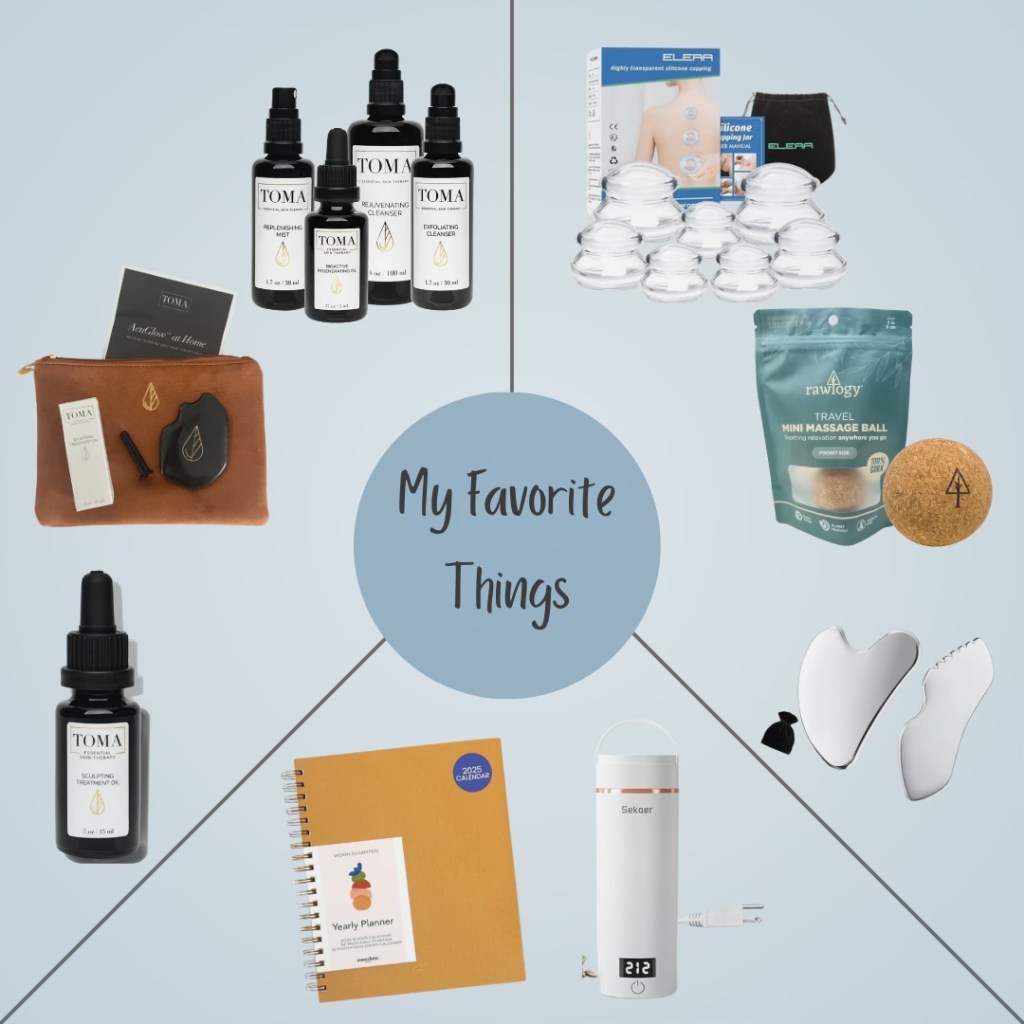
  • Cork Massage Ball – great for targeted acupressure and trigger point therapy. Light, portable – much easier on the body than a lacrosse ball (and more meaningful than a tennis ball). Bonus: there are a number of sizes to choose from – go small for neck and shoulders or larger for glutes and hips.
  • Gua Sha Set – ease neck and shoulder tension (and the inevitable headache) with a gua sha set. I love using gua sha after a workout and even to help with opening sinuses (or a little lifting and toning action for the face and skin). I like this set because it has two different tool shapes to give you the most options for getting into denser muscles but also precision enough for work on the face and neck.
  • Silicone Cupping Set – you know I love my cups and I want you to be able to benefit from cupping between sessions. I love using cups to help bring blood and lymph to tight and sore muscles – great after a workout (or a long commute).
  • Travel Sized Kettle – great for taking your powdered herbs (or making hot toddies) on-the-go. Also awesome if you’re in a small space and counter space is scarce.
  • Haramaki – (hara-what-i?) a friend from acupuncture school got me hooked on haramaki and it has been a game changer to keep my “middle” warm during the cold months (plus points – it’s great for menstrual cramps too).
  • ToMa Skincare Products – especially if you’re into facial gua sha or cupping. I love the Sculpting Treatment Oil, or go for the AcuGlow at Home kit, or the Essential System with cleanser, toner, and facial oil.
Continue reading “2024 Holiday Gift Guide”

Thoughts on Histamine Intolerance

What is Histamine Intolerance? 

Histamine Intolerance is a clinical food intolerance, not an allergic reaction. It happens when the body is not able to process/breakdown histamine from food fast enough. This results in symptoms caused by a buildup of histamine in the body.

This inability to break down histamine fast enough is often associated with Diamine Oxidase (DAO), which can occur due to genetic predisposition or mutation, may be medication-induced, or can be the result of other Gastrointestinal (GI) problems such as nonceliac gluten intolerance, ulcerative colitis, and Crohn’s disease.

What symptoms are associated with histamine intolerance?

A wide variety of symptoms include (not an extensive list):

  • GI symptoms: bloating, gas, stomach fullness immediately after eating that lasts a long time, diarrhea, abdominal pain, constipation, nausea, vomiting
  • Circulatory symptoms: fast heartbeat, weak muscle tone, collapse
  • Nervous system symptoms: headache, dizziness
  • Respiratory symptoms: runny nose, inflamed sinuses, nasal congestion, sneezing, difficulty breathing
  • Skin symptoms: itching, flush/redness, hives, eczema, swelling
Continue reading “Thoughts on Histamine Intolerance”

How Acupuncture Can Help You Achieve Your Health and Wellness Goals

Photo by Ketut Subiyanto on Pexels.com

Whether you’re a seasoned professional or a busy mom (or both, like me!) you are living (and surviving) the Modern Lifestyle. This means your life is bustling, you may not feel your best, and you want want to improve your health and wellness.

You have tried this workout or that massage technique and still haven’t found what you’re looking for. You’re continually curious and looking for holistic and effective ways to relieve stress, pain, and other common ailments. You’ve probably heard of acupuncture, but you’re not sure what it is, how it works, or if it’s right for you. In this blog post, I’ll explain the basics of acupuncture, its benefits, and how, as a Licensed Acupuncturist and Primary Care Provider, we can work together to achieve your health and wellness goals. 

Continue reading “How Acupuncture Can Help You Achieve Your Health and Wellness Goals”

Why you should care about your Doctor’s Continuing Education

Photo by Tara Winstead on Pexels.com

Listen, graduate medical education is serious business.

After completing medical school, passing boards, and finishing residency or other post-grad education requirements to start a medical career, it’s easy to succumb to the temptation to sit on one’s laurels and breathe a sigh of relief to “never have to take that class again.”

Legally, medical providers are required to complete Continuing Education on a periodic basis, with a set number of hours and topics as outlined by their profession’s governing body and/or state and local ordinances. That said, it is incredibly easy to find mediocre “fluff” continuing education content which will meet the minimum requirements and provide approximately zero value. This can lead to Providers never really expanding their knowledge beyond what they learned in school.

This scenario brings to mind a dear friend of mine, an OR Nurse, sharing that there is a surgeon who has been practicing for over 30 years who still performs a specific surgery the way he learned it well over 30 years ago, even though significantly safer, faster, more effective, and longer lasting surgical techniques have been developed and are utilized daily by other surgeons in the same OR. This is not to say that every provider needs to be on the bleeding edge of every new medical discovery, but it is a gentle reminder that we Medical Providers need to ensure that we are staying up to date within our fields, and with other collaborative fields, to ensure that we are providing the safest and most effective options available to our patients.

Continue reading “Why you should care about your Doctor’s Continuing Education”

Is My Doctor Even Listening to Me?

Photo by Tima Miroshnichenko on Pexels.com

Has this ever happened to you? 

You’re sitting at the doctors office and everyone is buzzing around you, barely making eye contact. The nicest person you interact with is the Medical Assistant who takes vitals and then tells you the doctor will be in shortly.

The doctor eventually walks in, sits down at a keyboard and begins to ask you a series of questions you’ve already answered, peppered with personal questions that may be wildly inappropriate – such as “how is your husband” when you’ve been married to your wife for over 5 years and your relationship is clearly documented in your chart – and when you finally have a moment to share your own questions and concerns, they’re ultimately dismissed as “normal.”

[sidenote: common and normal are not the same thing. Having diarrhea 2-4x/day may be common for certain populations, but it’s not normal].

Continue reading “Is My Doctor Even Listening to Me?”